News
News
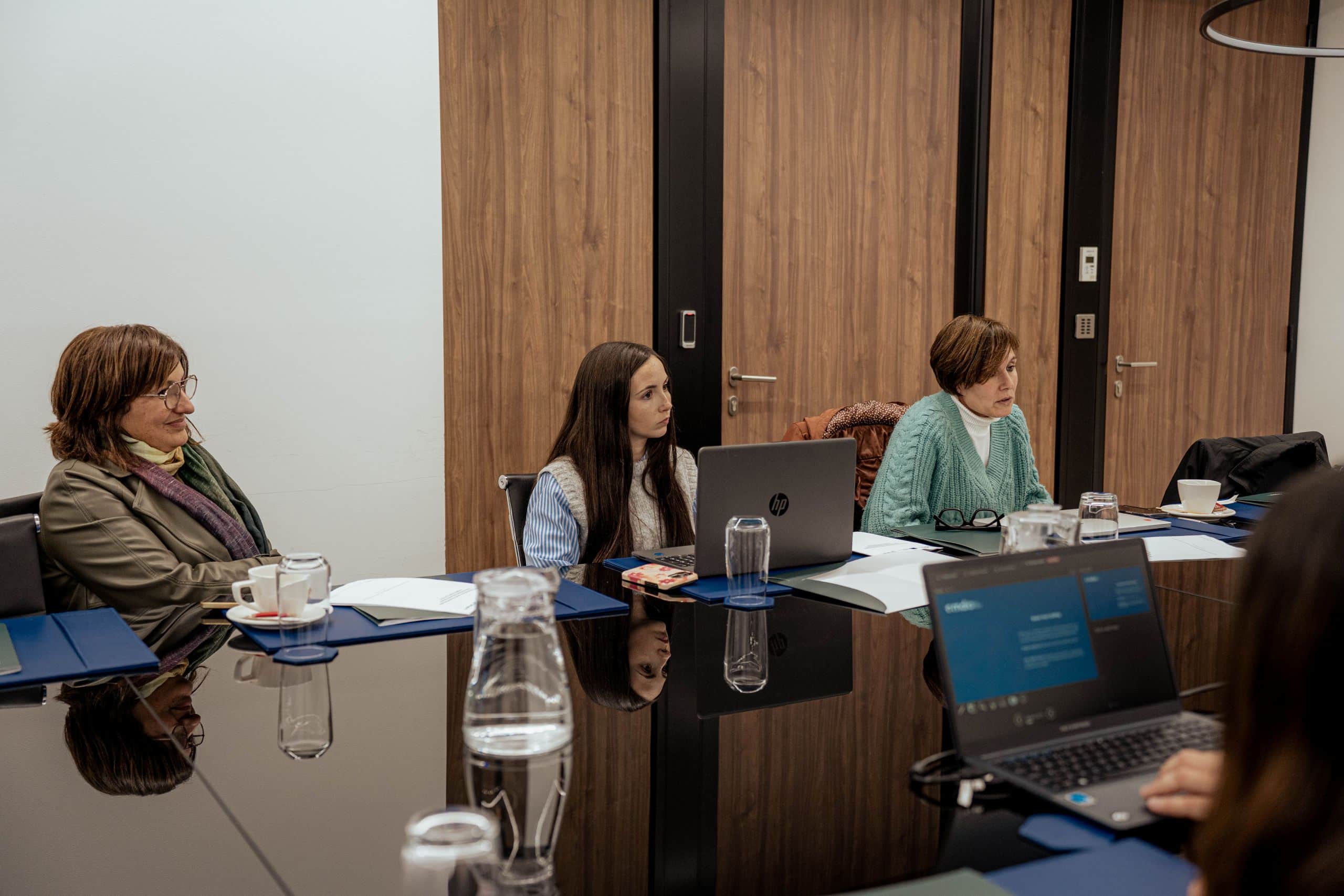
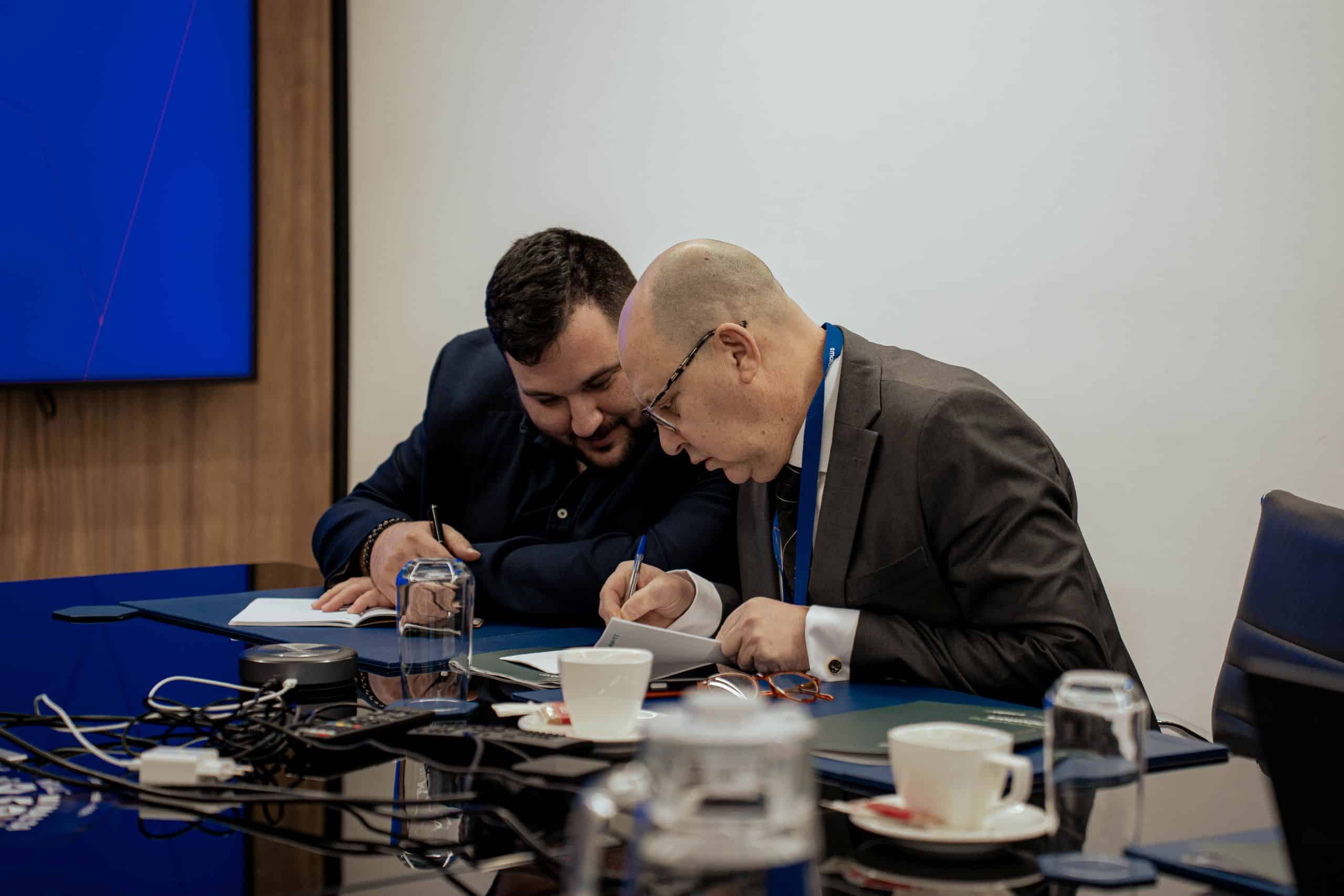
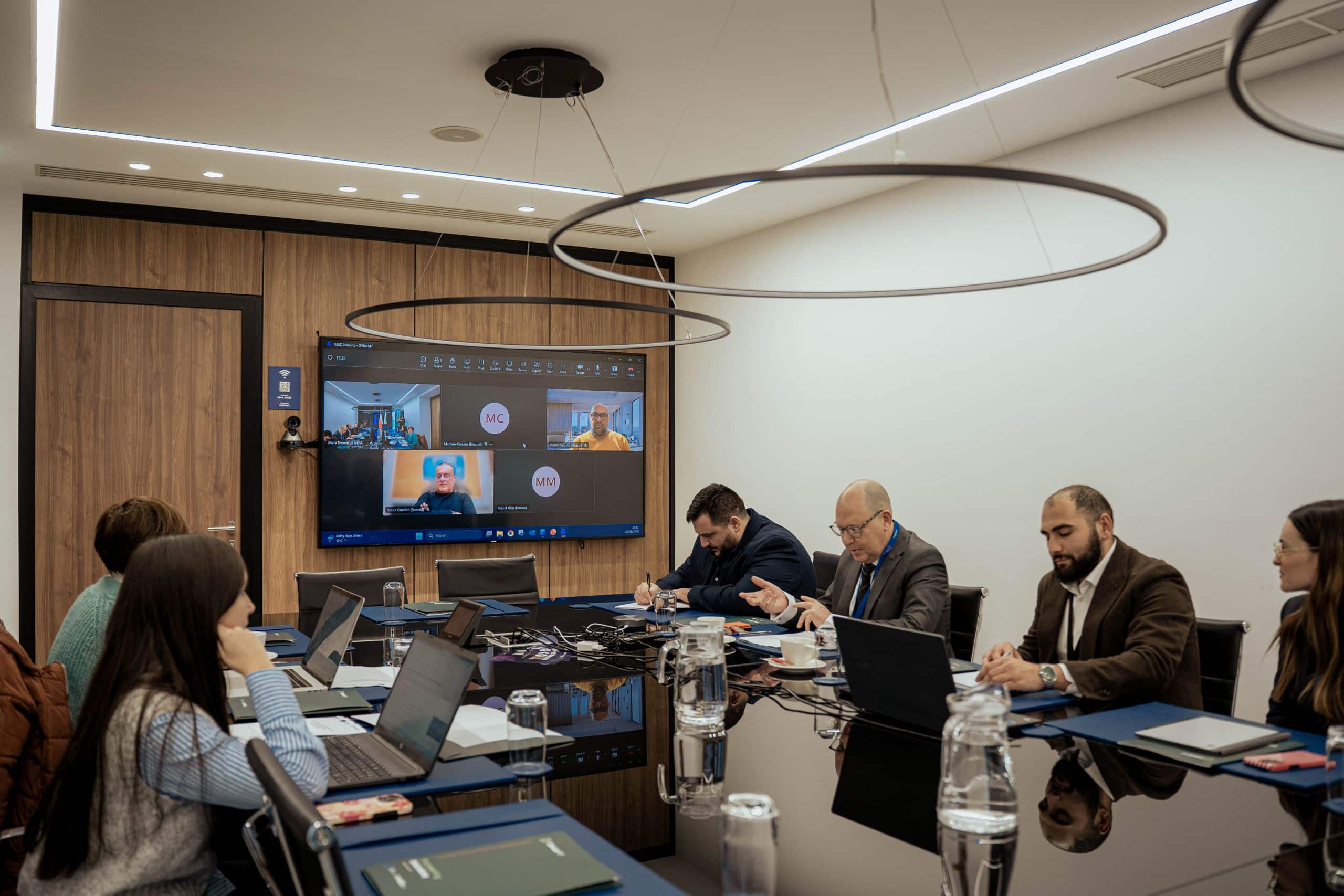
The Digital Skills Educational Consortium (DSEC) has concluded a national closed consultation session interpreting the results of a survey conducted among 199 small and medium-sized enterprises across Malta and Gozo, providing a timely snapshot of the digital skills gaps, reskilling needs and readiness levels of Maltese SMEs as they navigate digital transformation.
Led by the Malta Digital Innovation Authority through DiHubMT, under the chairman Hon. Ray Abela and assisted by Mr. Thomas Abela as secretary, DSEC brings together key stakeholders from academia, vocational education and training, research, industry and government. The consortium’s purpose is to strengthen Malta’s digital skills ecosystem through structured public-private collaboration, ensuring that skills development initiatives are aligned with real economic and workforce needs.
The consortium includes representatives from Jobs Plus, the University of Malta, MCAST, the National Skills Council, the Malta Chamber of SMEs, the Secretariat for Catholic Education, JA Foundation, and the Ministry of Education.
The survey, distributed directly to SMEs via an online questionnaire, forms part of DSEC’s broader consultation process aimed at grounding policy and programme design in direct business input. Rather than presenting abstract indicators, the exercise focuses on interpreting how enterprises themselves perceive their digital capability gaps, training priorities and preferred learning formats.
The interpretation of responses points to recurring gaps clustered around business-critical digital capabilities, including digital marketing, cybersecurity, customer relationship management, e-commerce and regulatory compliance. Cybersecurity and artificial intelligence emerged as particularly high priority training areas, reflecting growing concern among SMEs about operational risk, data protection and the practical adoption of emerging technologies.
The consultation also revealed a strong preference for hands-on and flexible learning approaches. SMEs consistently favoured blended learning models and in-person workshops over purely online or theory based courses, signalling the need for applied, practice-driven training that can be directly translated into day-to-day business operations. At the same time, a notable level of neutrality in responses suggests that while many SMEs are aware that skills gaps exist, they often lack clear pathways, guidance or support mechanisms to address them effectively.
As Malta’s European Digital Innovation Hub, DiHubMT plays a central role in translating these insights into action. Its work focuses on identifying skills gaps, supporting workforce upskilling and reskilling, and shaping forward-looking responses that reflect both national priorities and SME realities. This includes the development of advanced training programmes, industry-aligned certifications, practical workshops and knowledge-sharing initiatives that bring education providers and industry closer together.
The consultation outcomes underline that successful digital transformation for SMEs will depend not only on awareness, but on accessible, targeted and financially realistic upskilling pathways. Through DSEC’s collaborative framework and DiHubMT’s coordination role, the findings of this survey interpretation will inform future initiatives designed to strengthen Malta’s digital resilience, competitiveness and long-term economic growth, while keeping SME voices at the centre of the national skills agenda.